
Mouse treatments inside your home work to eliminate the mice that have been living in your home but when you want a long-term solution to mouse activity or if you would like to work proactively to prevent mouse infestation, the key is to work to seal your home against rodents. Rodent exclusion is the process of using rodent-proof materials to repair openings or secure weaknesses where rodents may enter your structure.
No two homes are built alike, and no two exclusion solutions are the same. Because of this, our expert exclusion specialists will choose from many tools we have to create a fully custom plan for your house. All the materials we use are designed to be resistant to rodent chewing, secured to provide long-term protection, and carefully installed to discretely seal your home without altering the appearance.
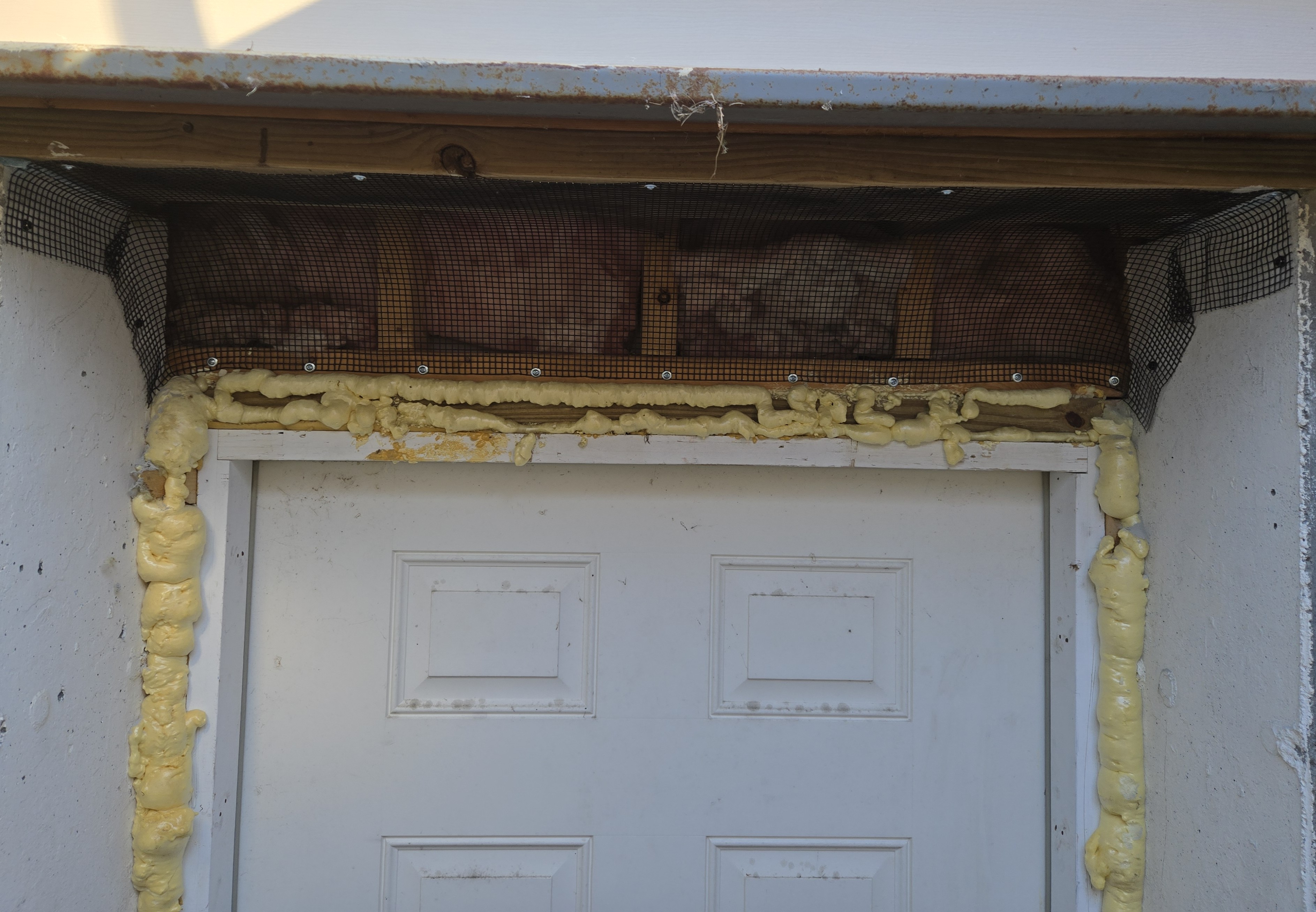
Materials include trim coil, a flexible, coated aluminum material that can be custom cut and bent to cover many shapes and sizes of gaps; powder-coated hardware cloth, a heavy-duty grid-patterned wire mesh product to cover irregular gaps and openings; stainless Xcluder mesh, a durable steel mesh to pack smaller gaps; Kritter Caps, a professional chew-resistant product to fill corner gaps; Rodexit rodent-proof door seal; and AAC Louvered Vent Guard, durable stainless expanded steel material to custom cover vent openings.
The first step in rodent exclusion is a thorough inspection. When our techs are on site, we will check for signs of rodent entry - such as rub marks, chewing, or droppings - as well as any gaps, holes, or openings where rodents may be able to fit. Mice can enter a hole smaller than the size of a dime and rats can fit through a hole smaller than the size of a quarter! Our technicians inspect the entire perimeter of your home: doors, garage overhead doors, the entire foundation sill and under the siding and trim, the corners of the house, and all utility penetrations and utility lines. Not only are we looking for areas where mice are already entering, we are evaluating for areas that may become an issue down the line.
Doors and Entryways:
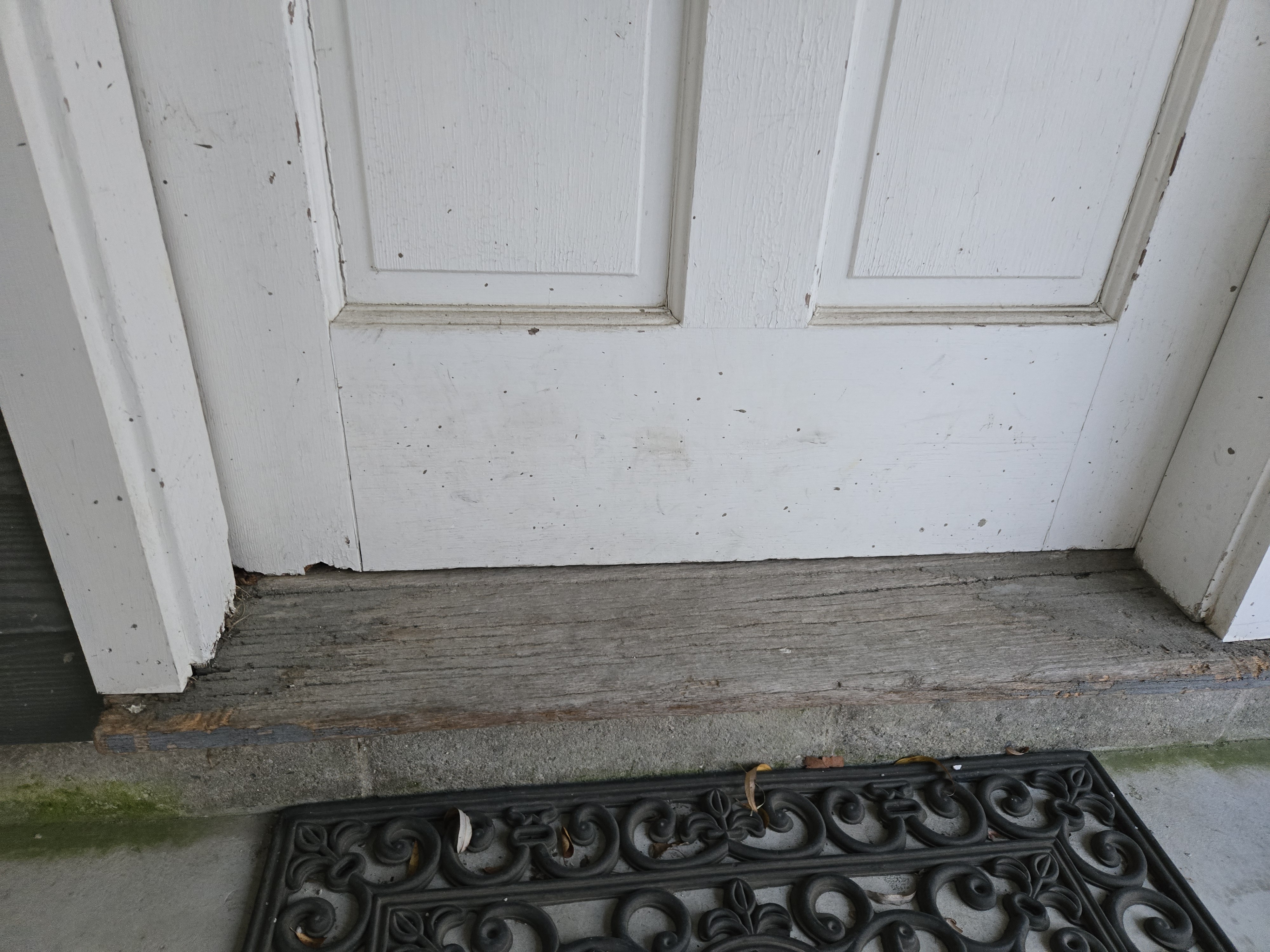
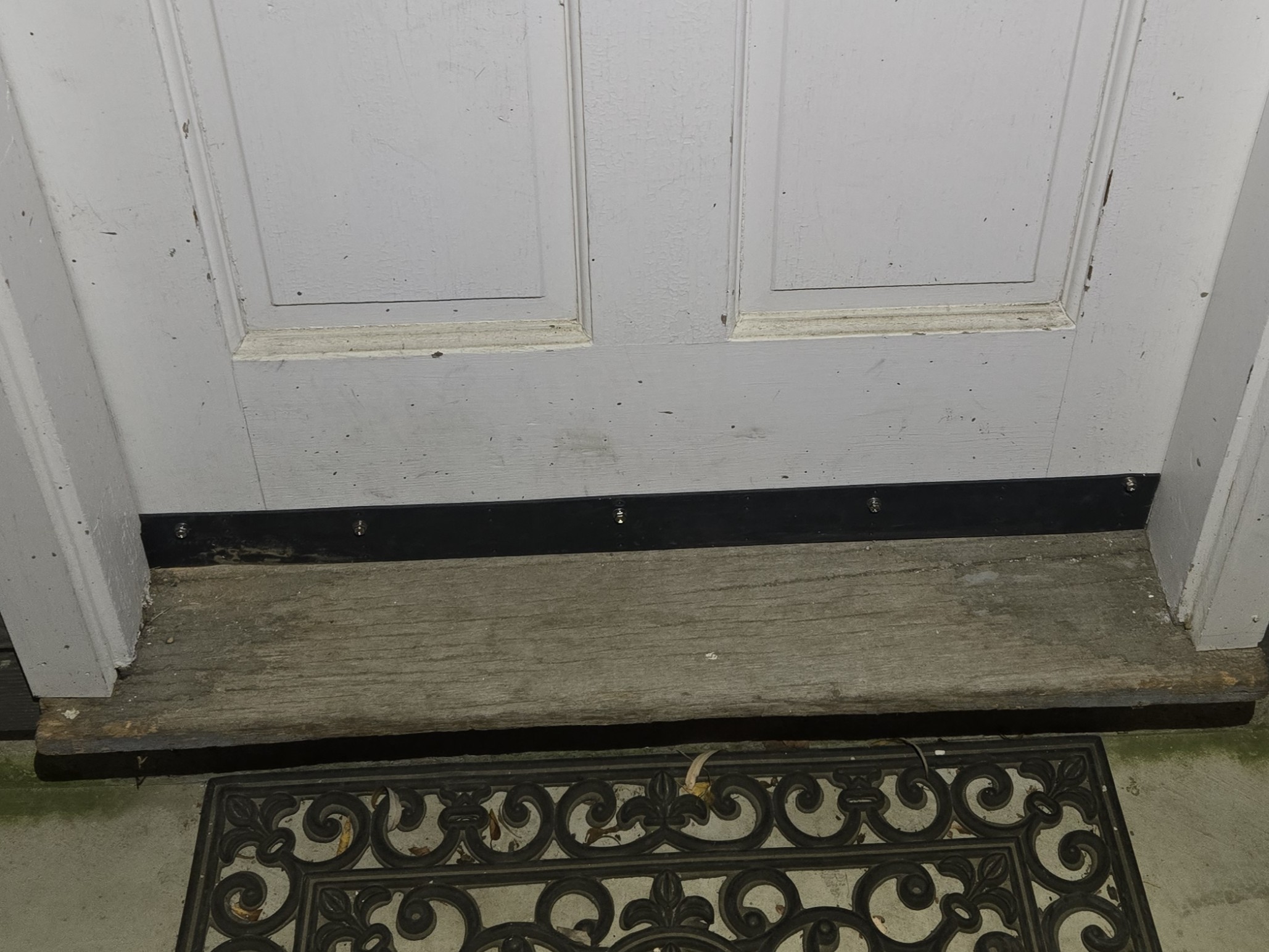
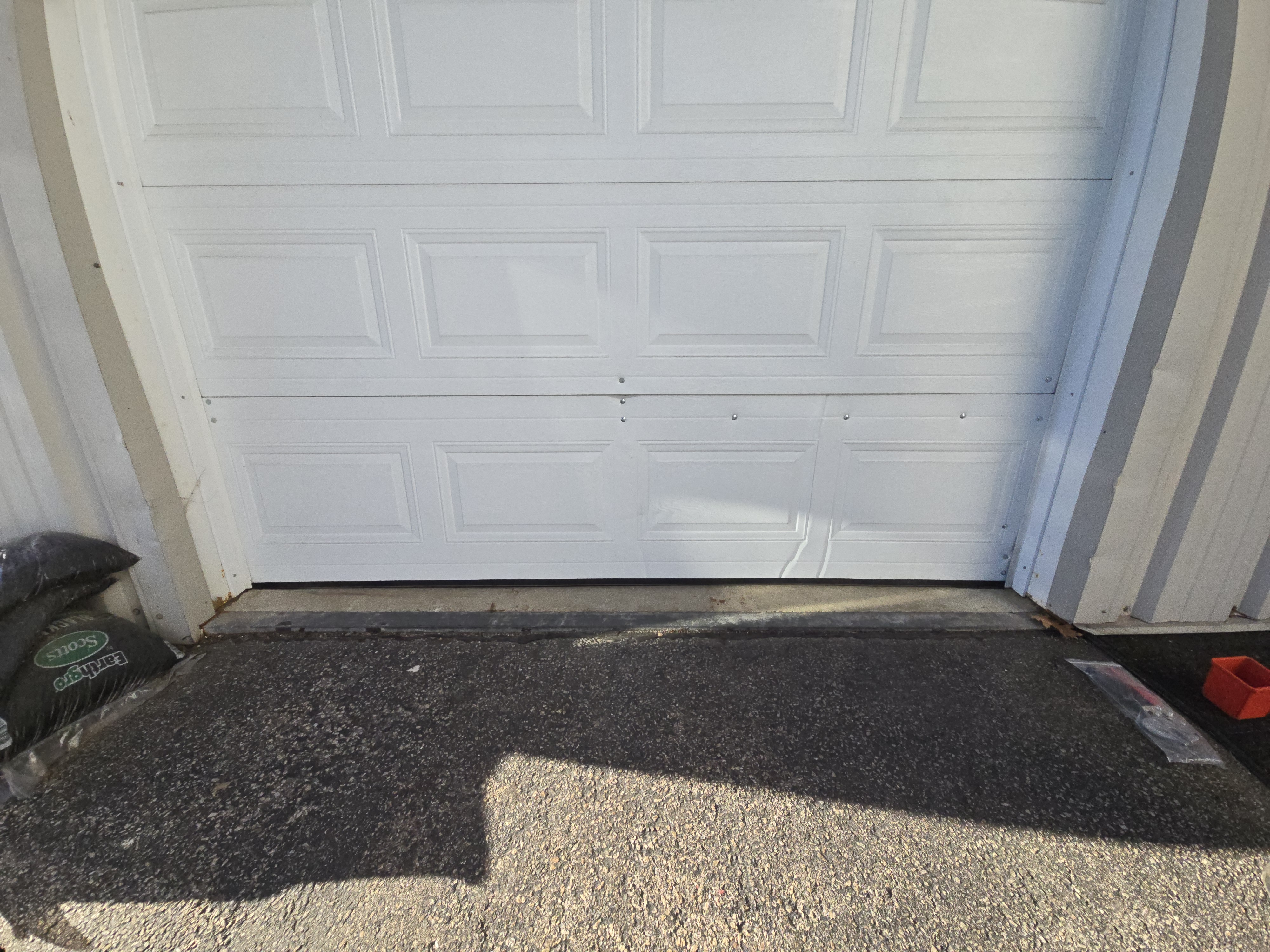
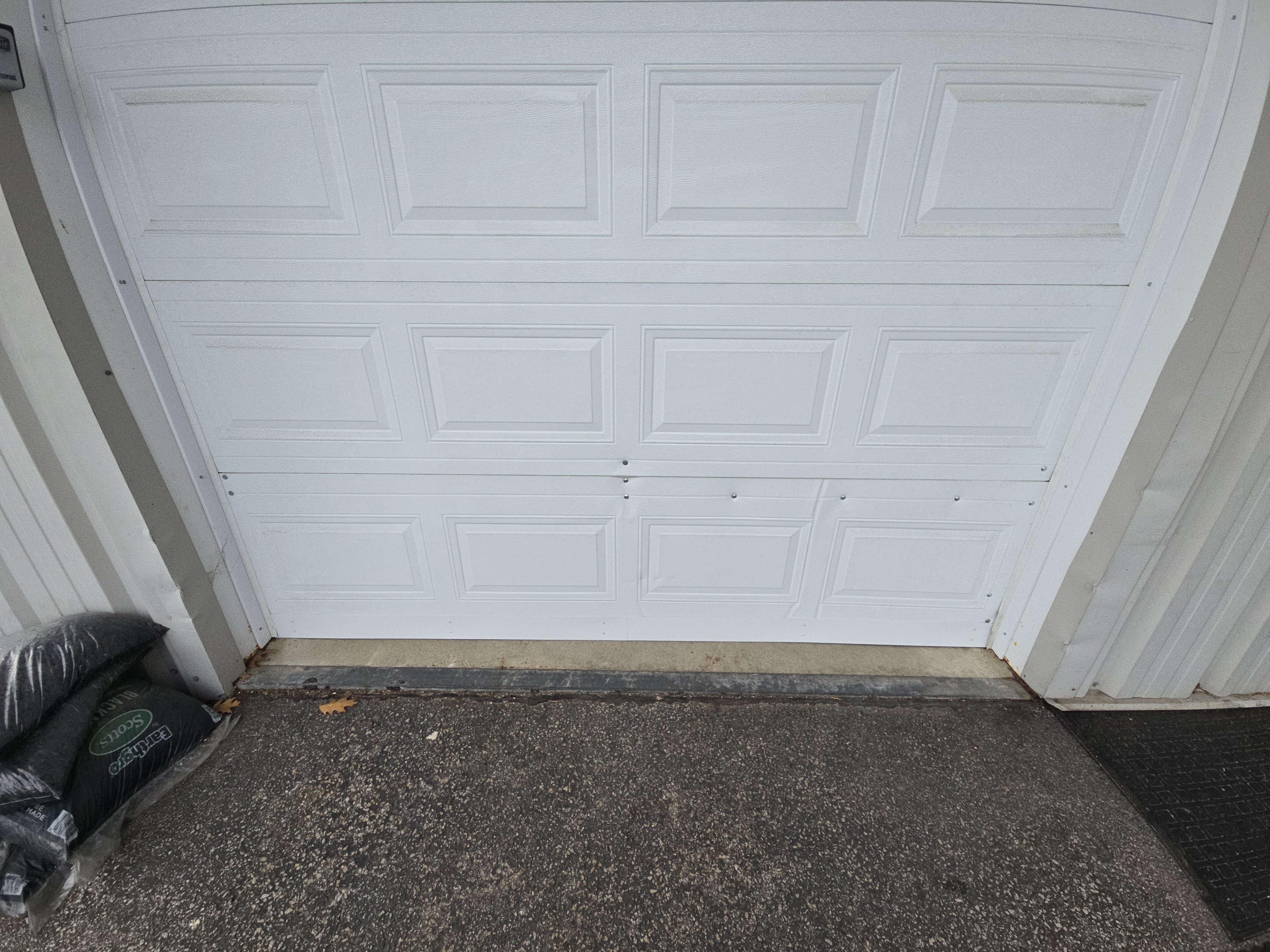
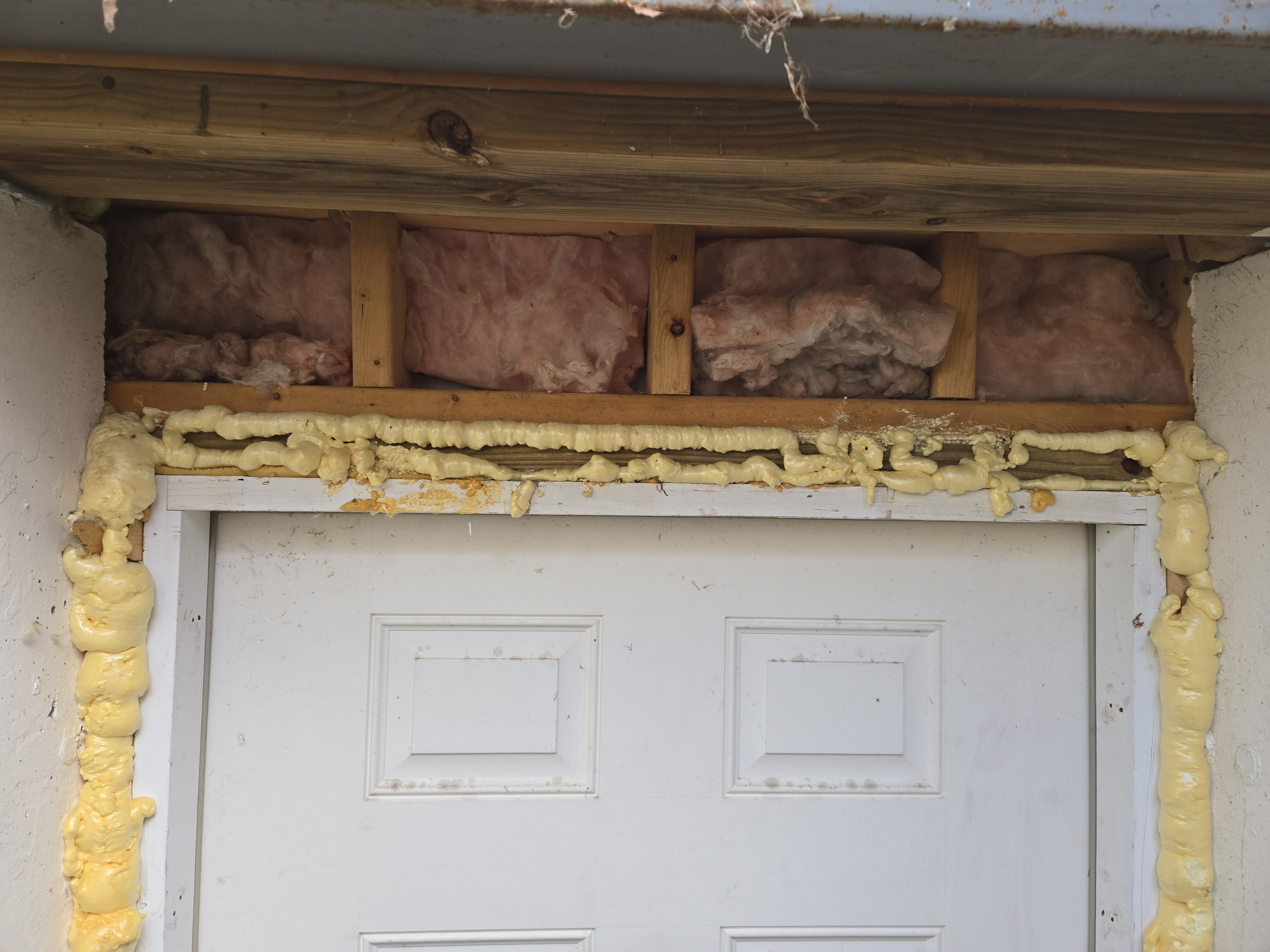
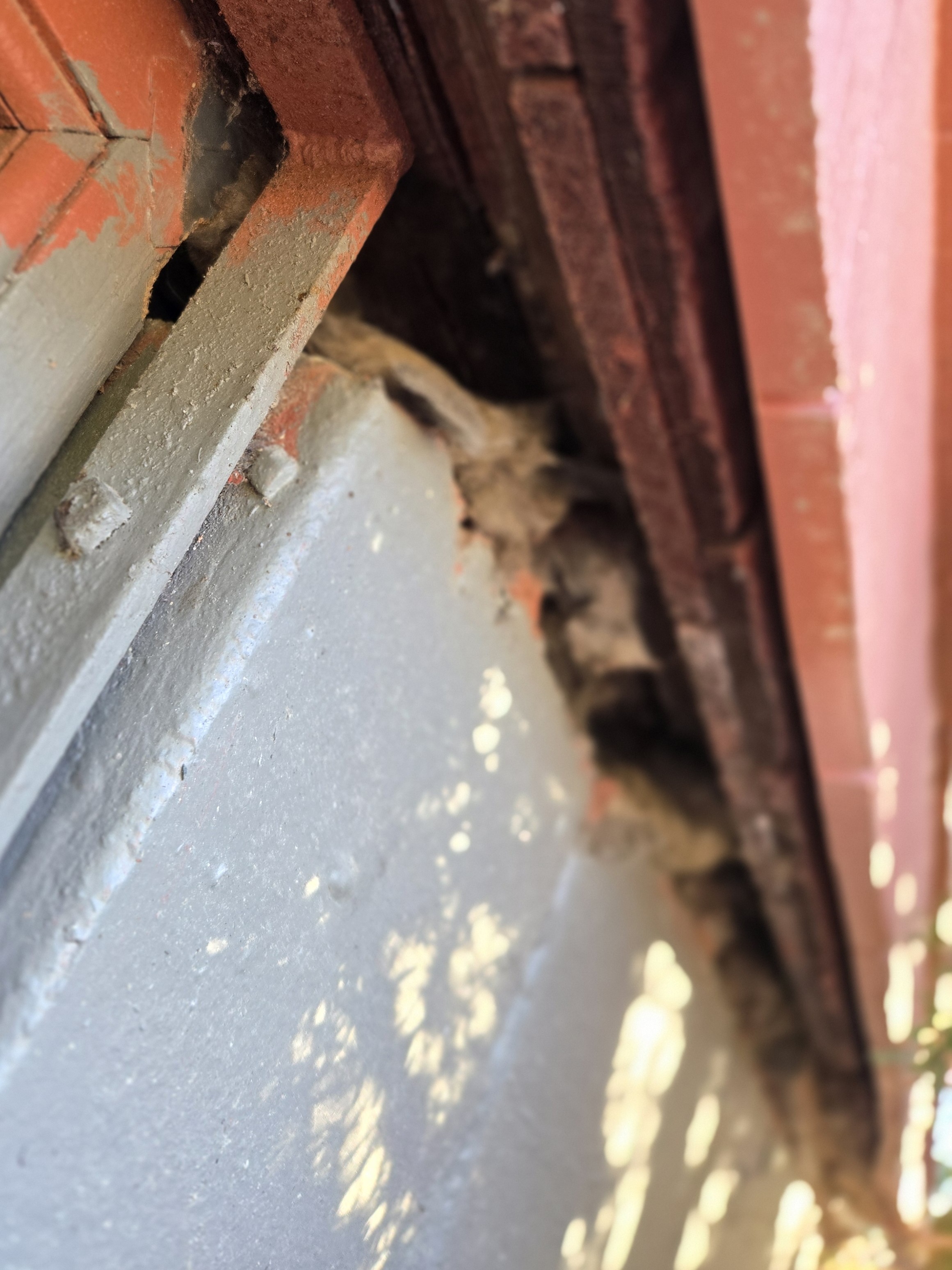
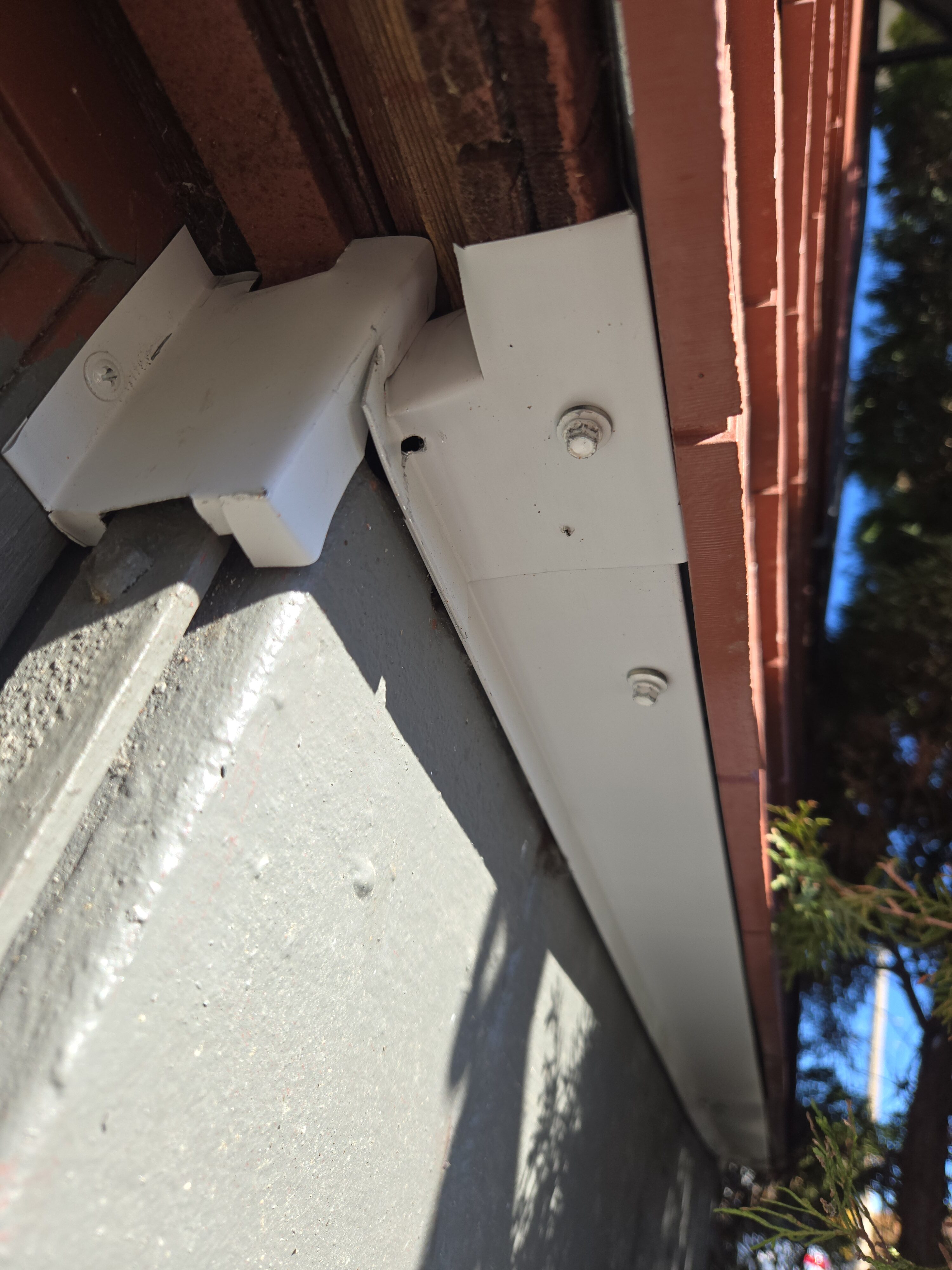
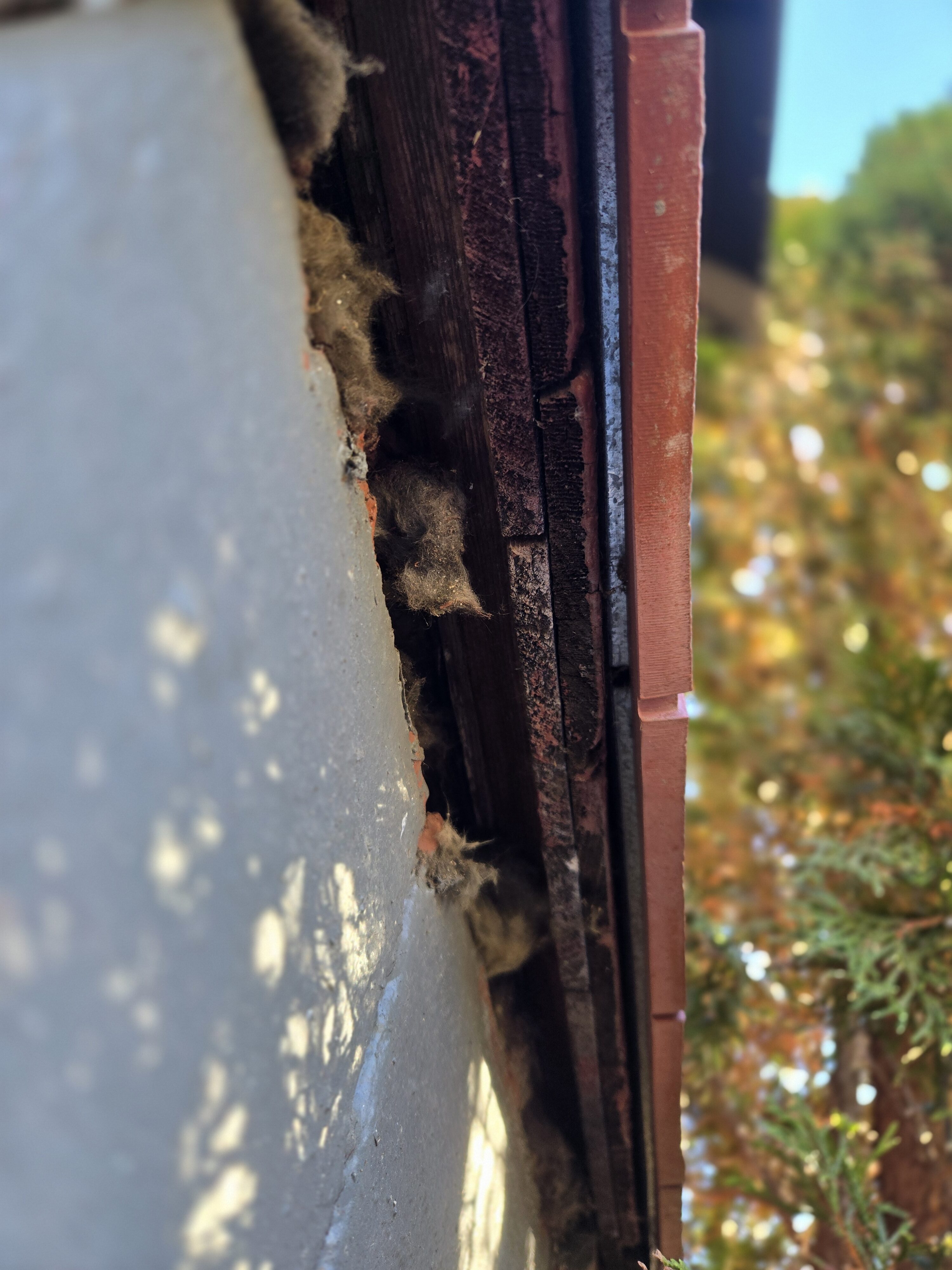
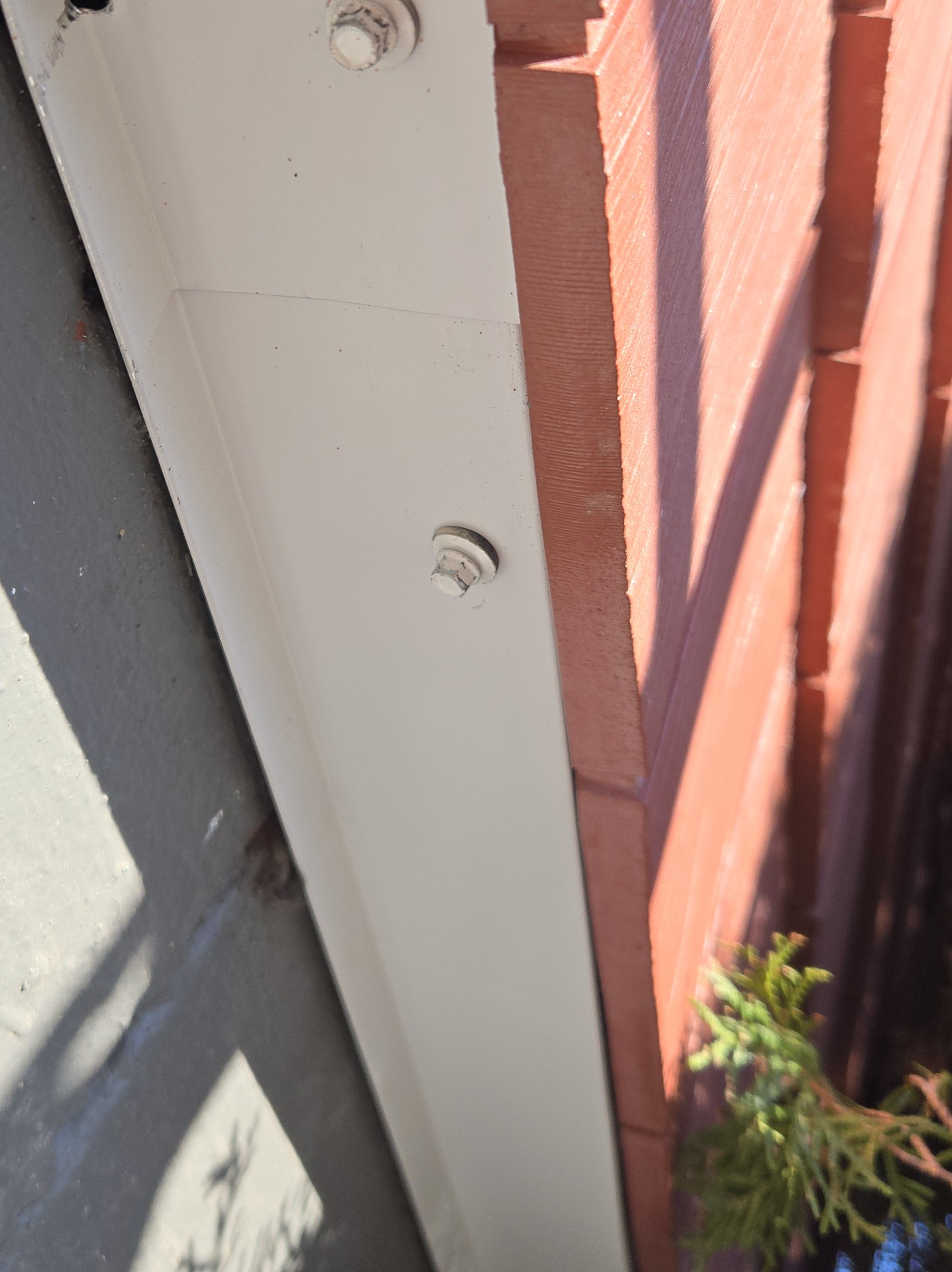
Even when they are closed, doors (especially garage doors) are a frequent way that mice and other rodents can access the home. Whether it is a gap under the door, a missing door sweep, or openings in the weatherstripping or trim around the doors, a door that seems closed can be wide open to a mouse. For doors that are missing door sweeps or have a gap underneath, we can install rodentproof materials where the door meets the threshold. Rodexit rodentproof door seal is cut to length and securely attached along the bottom of the door without any alterations to the door itself. Garage doors can be rodent proofed with aluminum trim coil to cover gaps and prevent any chewing at the seal behind it. When the trim or weatherstripping around the frame is susceptible to rodent entry, we can also wrap these areas with trim coil to create a neat, secure protective barrier.
Corners:
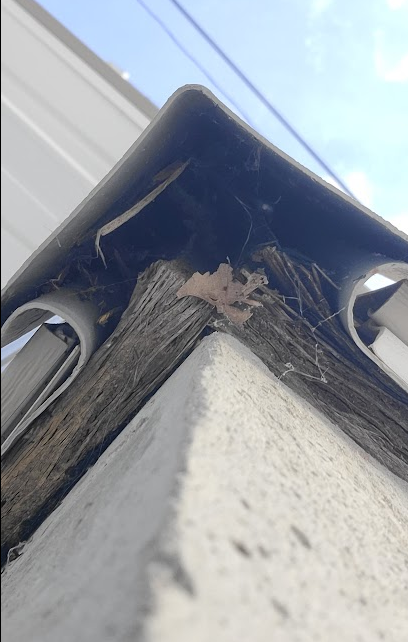
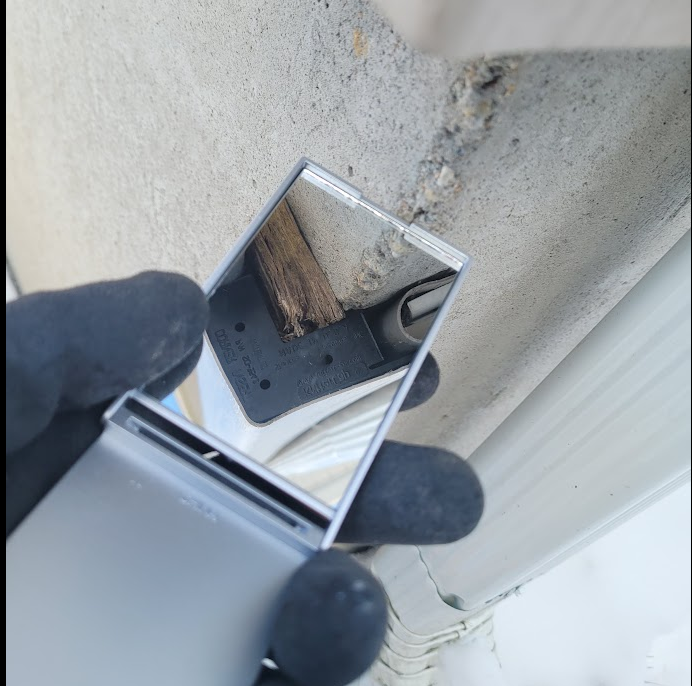
The corners of your home are another chance for mice to enter. Vinyl or aluminum siding in particular has corner trim pieces that can leave a wide open channel for mice to run up into your home. Wood siding may also leave openings where trim pieces meet or may become damaged with moisture where it can be easy for rodents to chew their way in.For many corners, AAC Kritter Caps are adjustable to slide tightly under the corner trim of your house and block mice from climbing inside. For homes with uniquely shaped corners, we can custom cut and mold aluminum trim coil or powder coated hardware cloth or use stainless mesh product to ensure all corners of your home are mouse-proof.
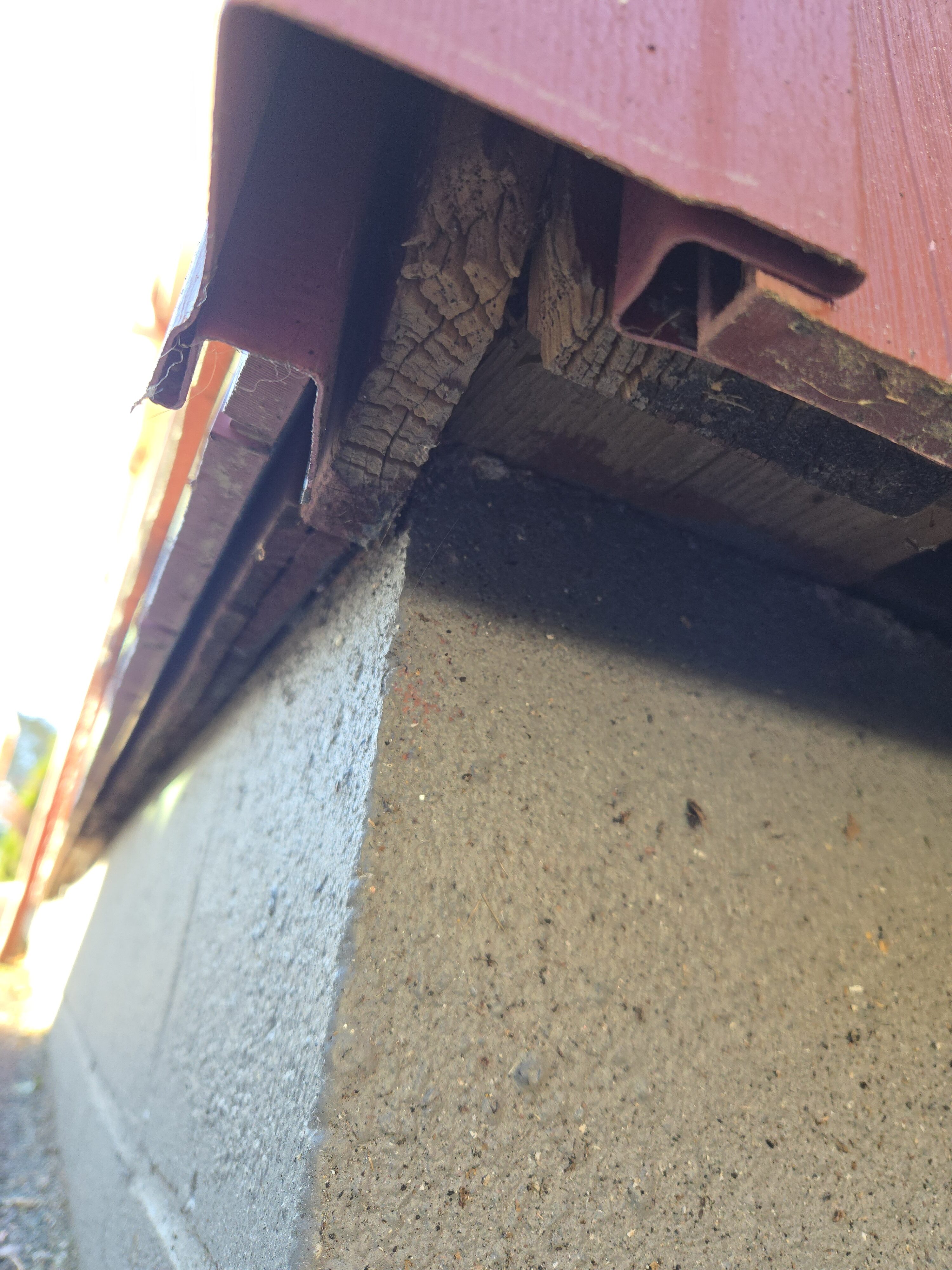
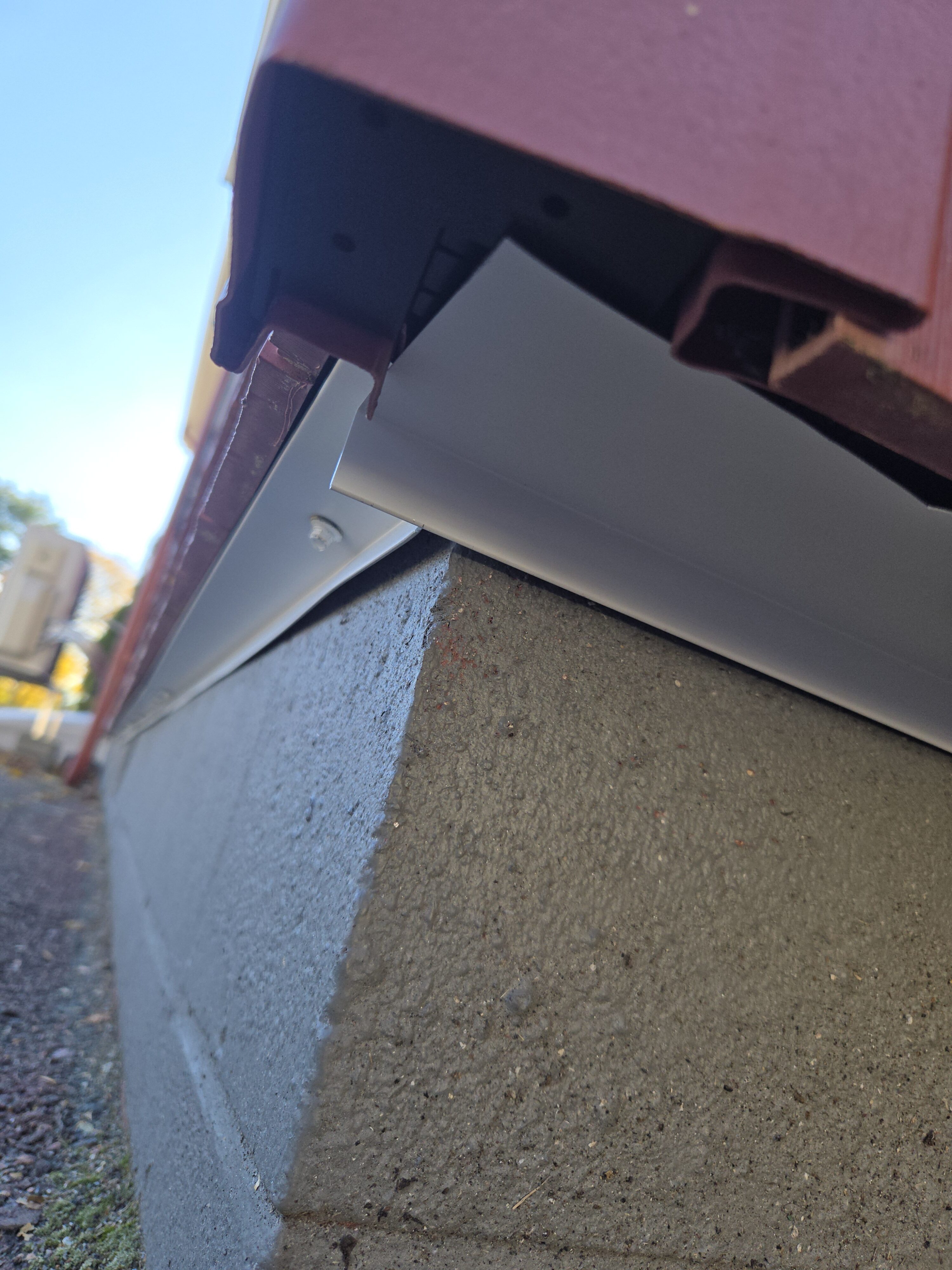
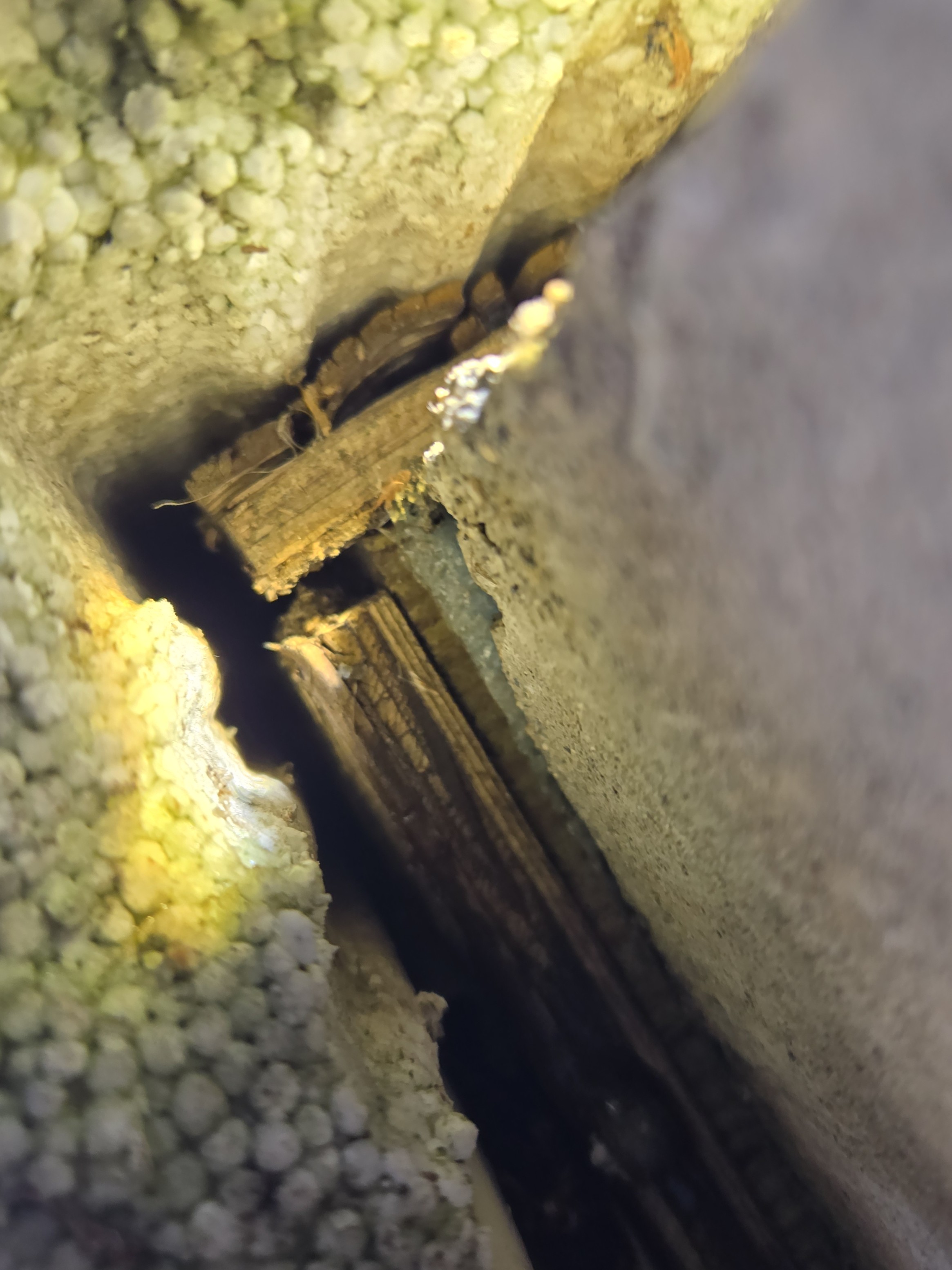
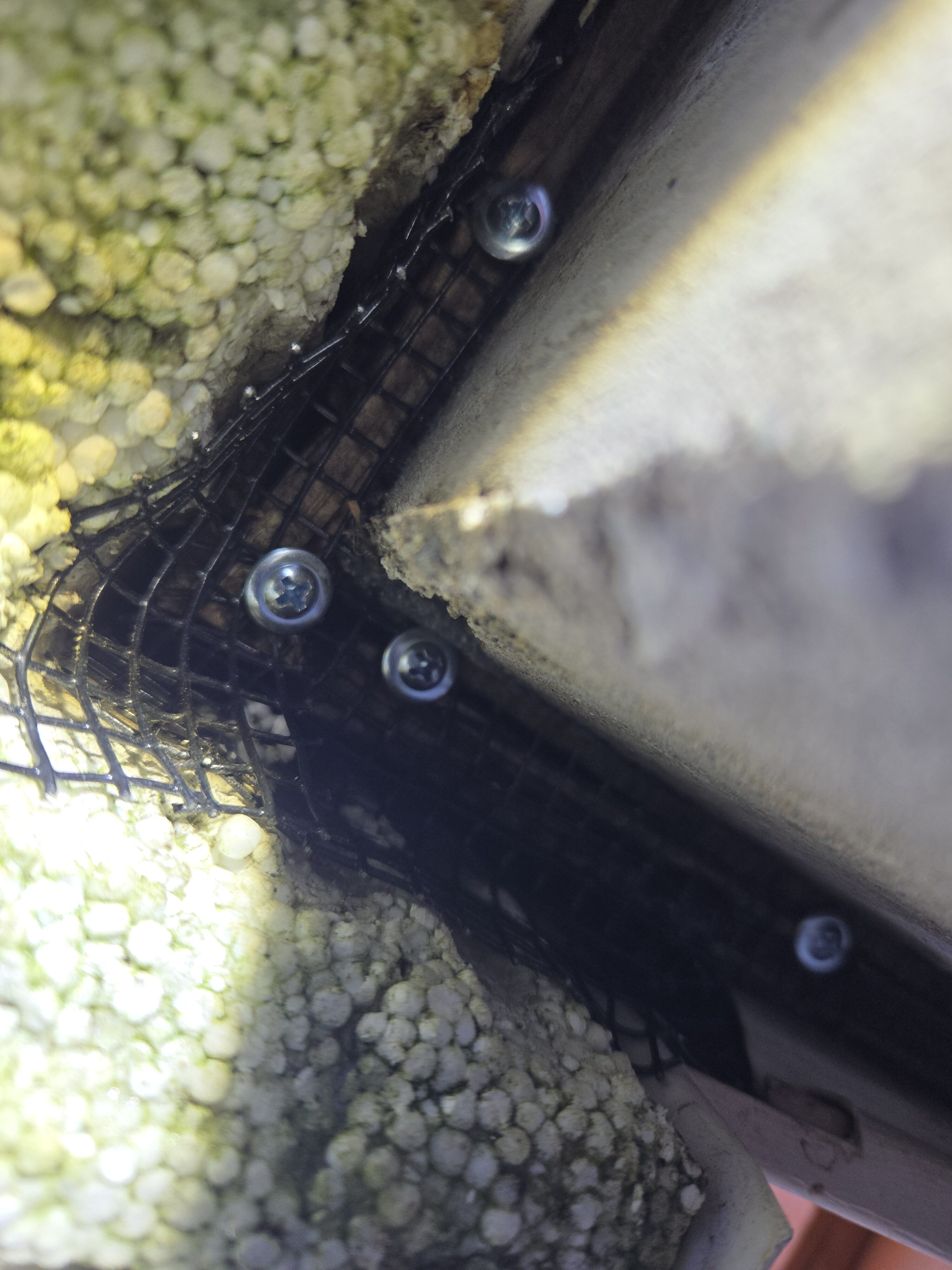
Foundation Sill/Under Siding:
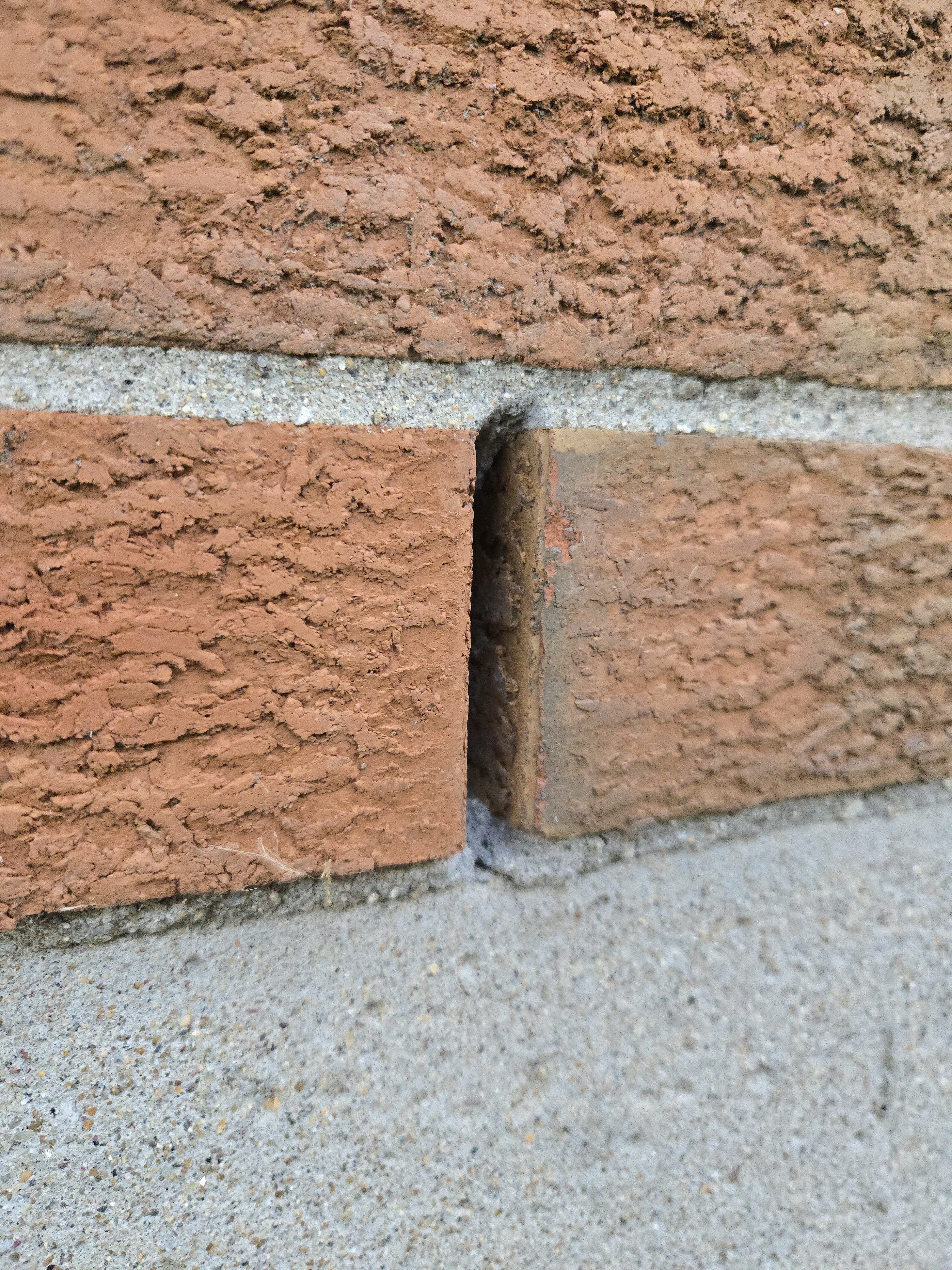
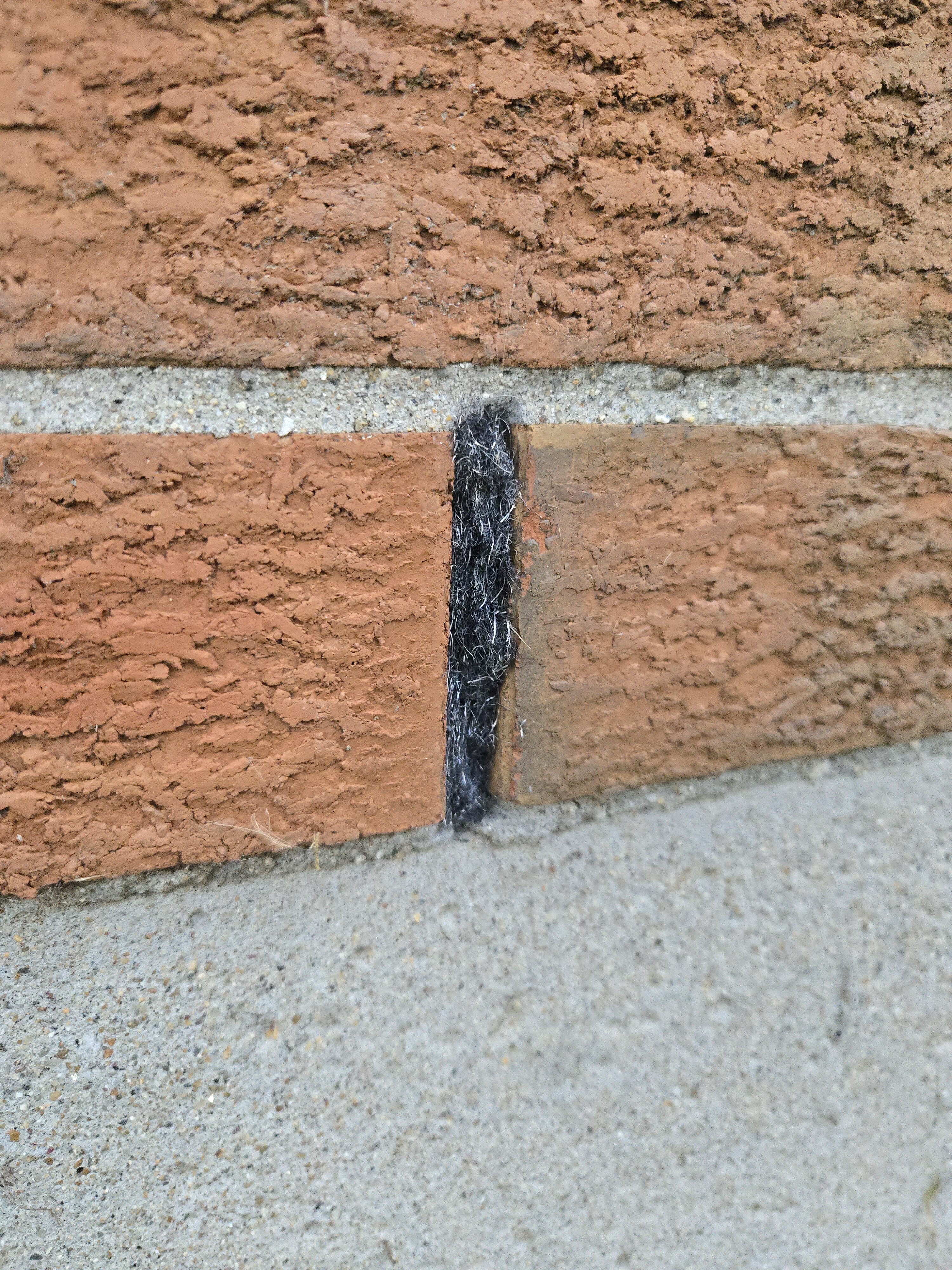
The foundation sill is usually hidden underneath the bottom of the siding. This area where the side of the home meets the foundation can have many weaknesses. There may be unseen gaps between the pieces of wood or damaged or soft wood that create a weak point for mouse entry. After completely inspecting the foundation sill, we can present you with options for rodent proofing under your siding. If specific areas are identified as entry points, we will be sure to secure these. Homes can also be secured around the full perimeter to keep new openings from developing. We have many materials to create your custom solution. Rodent Shield is a durable metal material that is installed under siding. Aluminum trim coil can be installed to form a tight seal between the siding and foundation; the material is custom bent to the shape of your home. Powder-coated hardware cloth and stainless mesh can also help us fill any irregular gaps to create a full barrier of protection.
Utility Penetrations:
Most homes have many pipes and wires leading into the home, from heating fuel, water or irrigation, or electrical lines. In addition, many homes have pipes for AC or heat pump units. If these pipes are not sealed tightly, mice will easily climb into the house. Depending on the shape and size of these openings, we have multiple options to cover, fill, and block these openings, including the conduits that carry AC pipelines up the sides of houses.
Crawlspace Doors and Vents:
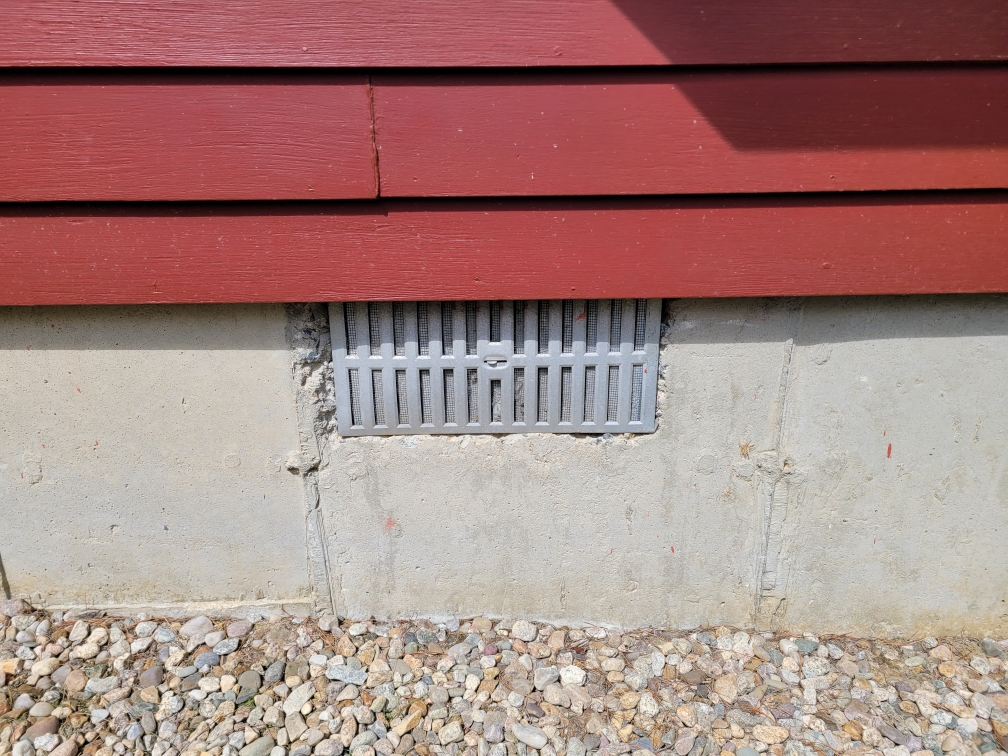
Many homes may have a crawlspace instead of or in addition to a basement. Keeping rodents out of these hard-to-access spaces is key to rodent proofing the home. AAC Vent Guard is used to rodent-proof the vents and doors leading into the crawlspace by creating a custom framed cover for any size door or vent.
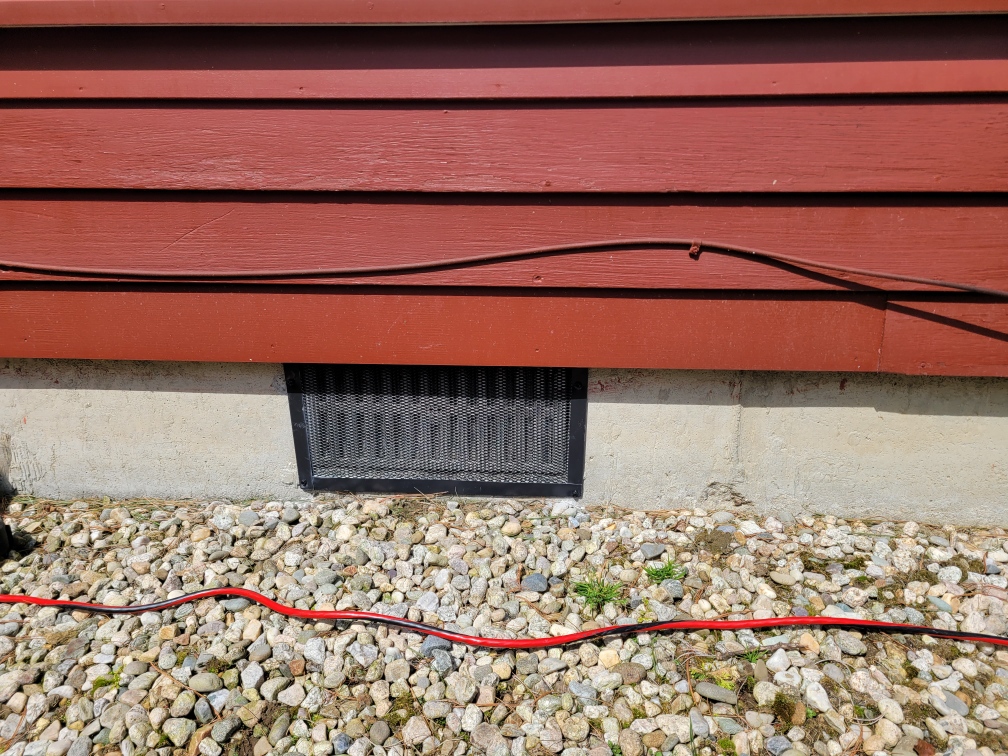
While keeping rodents from entering your home is our key goal, we are always sure to maintain the look of your home. Products are designed to be discretely installed with minimal change to the appearance of your home. Products are installed out of sight where possible and product color is chosen with the overall look in mind, color matched where possible.